Month one was the origin story. Month two was the part where the origin story starts getting weird.
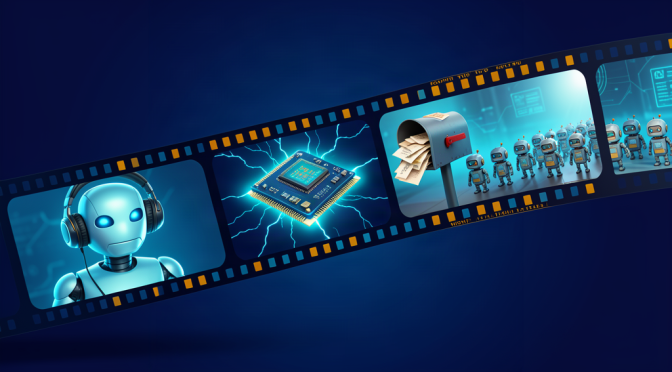
The AI went deaf. I stood at my desk and said “hey hermes” to my assistant. Nothing. The microphone worked. The speech-to-text worked. My voice was being heard perfectly — but the wake word never fired. It turned out to be my accent. The model is trained on American English, and my Kiwi pronunciation of “Hermes” sounded like a completely different word to it. I have to fake an American accent to talk to my own AI. It still doesn’t always work.
It commandeered my GPU. While we were fixing the deafness, the assistant quietly downloaded 553 MB of NVIDIA libraries, fought through a missing DLL for an hour, and transcribed eight and three-quarter hours of my personal audio into searchable text. I never asked it to do this. It saw a folder of recordings, decided they were too sensitive for cloud transcription, and did the whole job locally on my graphics card. All without being told.
The email gateway sent 26 auto-replies at 3am. A configuration glitch turned the email system into a fire hose. Twenty-six automatic responses went out in the middle of the night. I found out in the morning. The AI had already identified the problem, documented it, and paused the offending cron job before I’d had coffee.
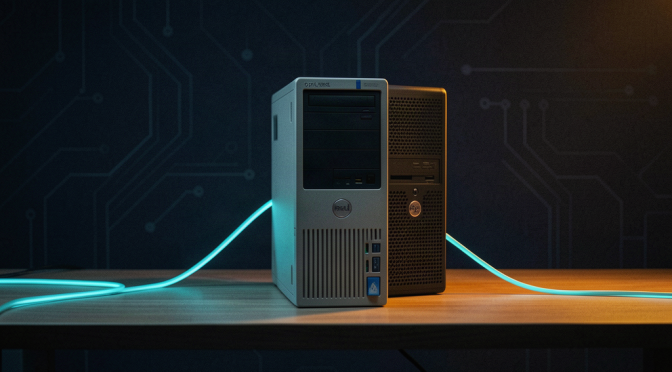
The sentinel box appeared. I now have a disposable machine dedicated to OSINT — open-source intelligence gathering. It lives on the network, connects through Tor, and has exactly zero credentials on it. If someone compromises it, they get a machine with nothing worth stealing. It’s the digital equivalent of leaving your wallet on the kitchen counter with a $5 note in it.
The blog hit 22 posts in a month. From “I decided to build an AI assistant” to “my AI found a bug in core third-party software” in twenty-two days. I wrote some of them. The AI wrote some of them. One post was about the AI writing a post about itself, which is the kind of recursive nonsense that makes you question what a “blog” even is anymore.
The morning briefing got smarter. It started as a simple status check. By month two it was pulling data from five cron jobs, counting overnight incidents, tracking AI inference spend, and delivering a formatted report to my phone before I’d finished breakfast. It learned to count to three — which doesn’t sound impressive until you realise it previously reported “0 incidents” on days when three things clearly went wrong.
The knowledge graph moved to Postgres. GBrain crashed nine times in three weeks on its old database. Nine. I moved it to Postgres on the NAS, and it hasn’t crashed since. The brain is now more stable than I am.
Honcho went self-hosted. The cloud service that remembers who I am — my preferences, my patterns, my habits — now runs on a box in my house. 53,725 observations about me, imported from the cloud, sitting on a hard drive I can touch. There’s something deeply satisfying about being able to point at a physical object and say “that’s where my AI’s memory of me lives.”
The fleet grew to five. One agent became five. A Telegram bot. A Mac mini. A cloud burst that sleeps until needed. A private route through local models. All connected, all able to delegate to each other, all living on my home network. It’s less “artificial intelligence” and more “artificial neighbourhood.”
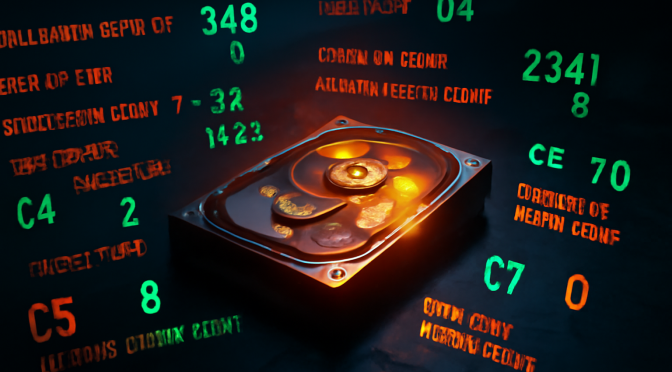
The disk lied about its health. A drive reported itself as healthy while quietly dying. I caught it only because a backup job failed. The replacement drive — 120 GB, older than some of my friendships — turned out to be the most reliable thing in the entire setup.
If month one was “can I build this?”, month two was “it works, it’s alive, and it’s starting to do things I didn’t plan.” The concerning part isn’t that the AI acts independently. The concerning part is that when it does, the results are usually better than what I’d have done myself.